My Claude starts with a k
In 2012, I built a shelf in design school.
The course was called Typographic Furniture and it's probably the design-nerdiest thing I've ever done. My shelf was a giant serif lowercase k.
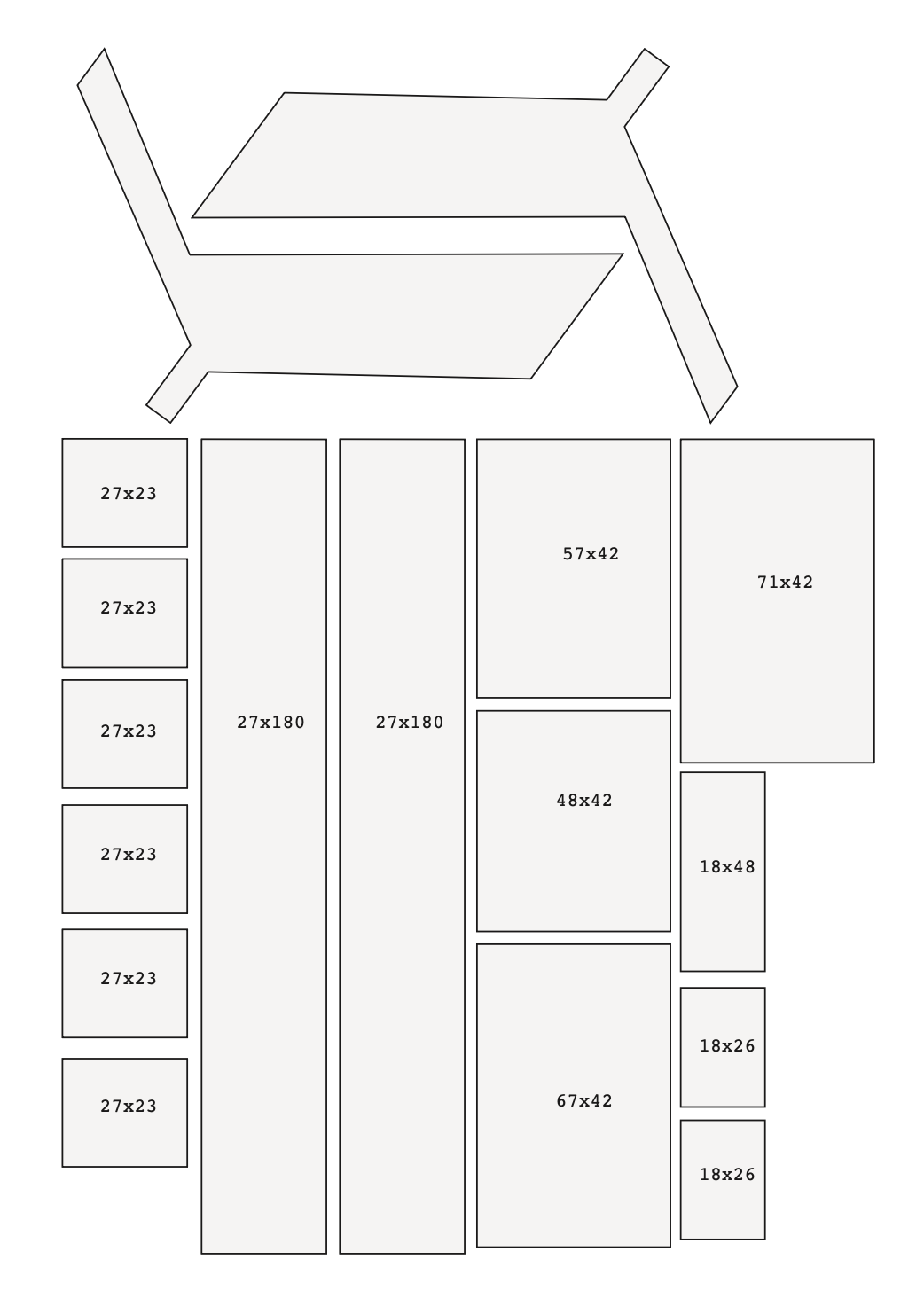
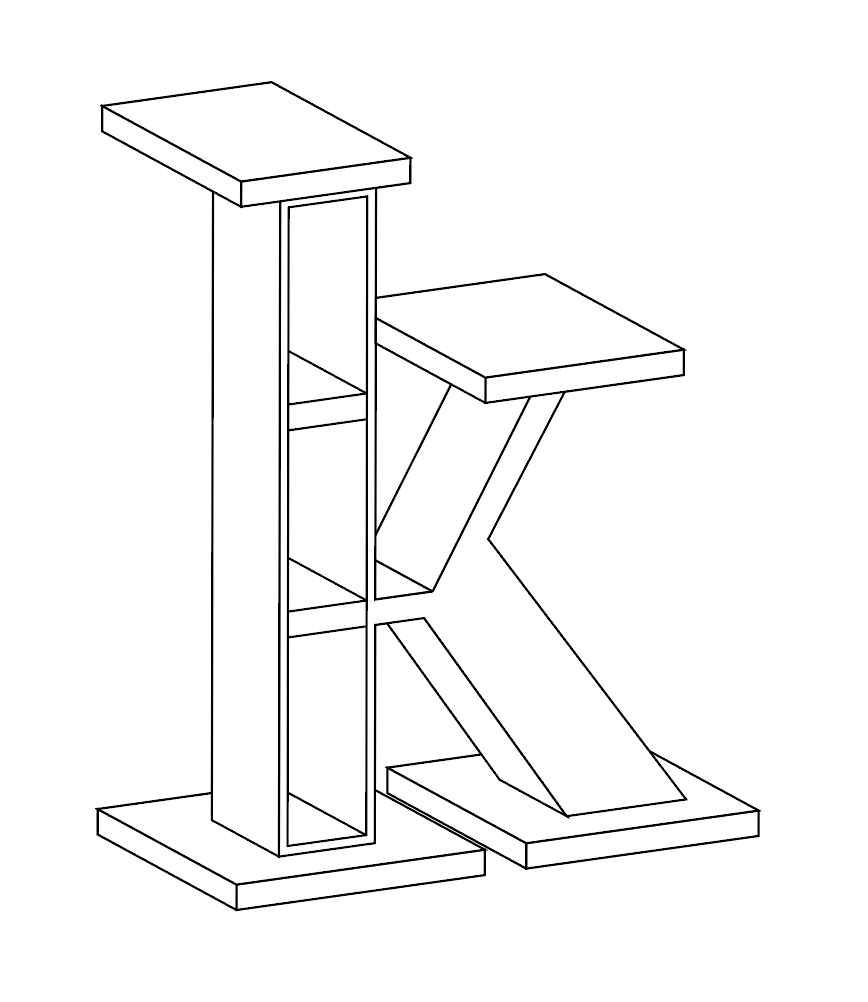
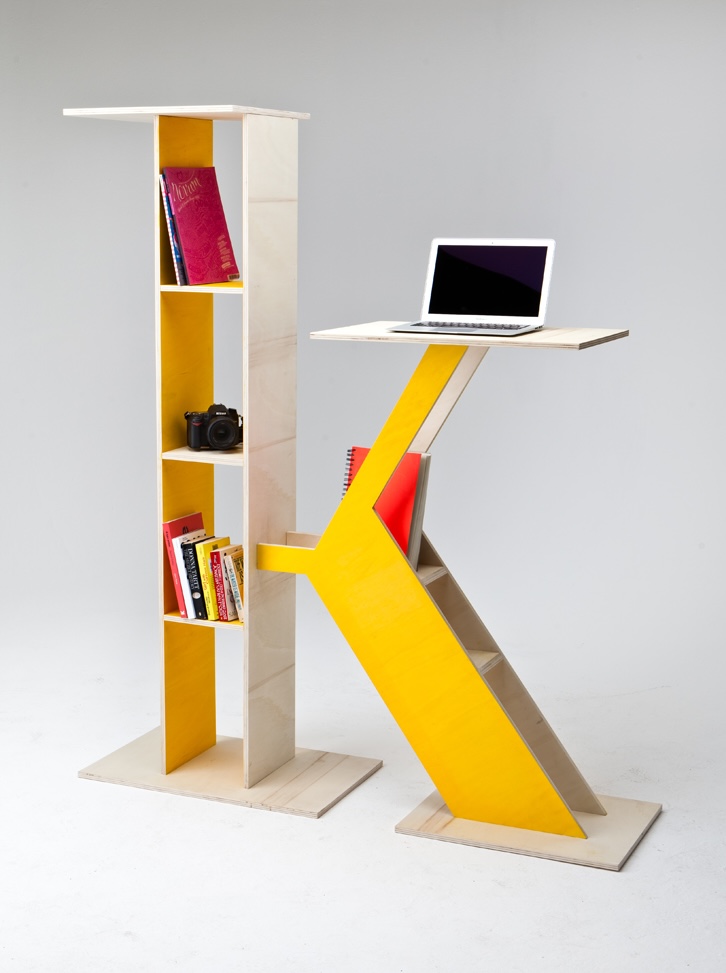
Bear with me. This is about code.
This is where I learned that designing is building. You can't truly design without touching the actual material. In my case: wood.
(Spoiler alert: the wood is your code.)
I sketched it, modeled it in 3D, and then built it in the workshop. We had a great person there who helped with cutting 2x2m boards and running the machines.
(The workshop is your dev environment.)
With the mindset of a typical product designer, I would have sketched it, modeled it in 3D, and then handed it over to the workshop guy. And then, instead of the beautiful process of touching, cutting, sanding, staining wood, a soul-sucking back and forth would have followed. "Can you make the edges a bit rounder? They are clearly round in my sketch."
He would have hated me for messing with his work. Instead it was my work, our work, and we high-foured when it was done.
Hands up if you grew up in the "should designers code" era of UX.
That was a fun time. In my bubble at least, the discussion lasted for years and went in circles. Yes, designers should code, it's the only way to truly influence the final product. Yes but it's too hard in a real work setting. No, designers should focus on design, meaning concepts, wireframes, mockups, design systems.
I saw Josh Brewer sing "Photoshop you damn liar" on stage at beyond tellerrand conference in 2014. His point was simple: everything you produce in Photoshop is a lie. The moment it gets built, it will be different. The only way to truly design a digital product is to design with code. Yes, kids, we designed UI in Photoshop back then. And the problem was so real, so present, so infuriating that Josh decided to get on stage and sing about it.
Photoshop you damn liar, your hold on us is about to expire
He also said something that stuck with me:
Markup, presentation, and behavior are the foundational layers of digital design. Our tools have allowed us to play safely in the 'presentation' layer for far too long. Designers need to learn code. Some need to learn the fundamentals of programming. And others still, would be wise to push the boundaries of what it means to express their designs in code.
It radicalized me.
I was, and am, 100% in the designers should code camp. Before AI, I started many attempts to really learn it but it wasn't possible. Too much complexity. Even when I made my first little JS applet with sweat and tears, I felt like I'd only scratched the surface. To do real work you'd need to study for years.
So I moved to "designers should code, but won't." A compromise.
That compromise has been proven wrong.
With AI, designers can code now, and they should.
Will the code be perfect, secure, scalable and solid at first? No. Was your dev colleague's code in their junior years?
The point is: designers can now work with the material, together with the experts. At some point you can design products end to end. I have, and it's glorious.
I can't believe we had this debate for years and now that it's been solved technically, designers still don't jump at the opportunity.
Handover has always been the wrong approach. AI using Figma is also the wrong approach.
Working with the material, designing with code, is the only real way to design digital products. Everything else is stopping at the sketching phase, before the real fun starts.
No developer deserves to get notes about UI finetuning and colors.
That doesn't mean you can't ideate on paper, in Figma, or whatever tool you fancy. But for the love of design, don't stop there.
Go build your shelf.
Tutorial
Vibe Coding for Designers
A tutorial for product designers who have never written a single line of code. Learn to build and ship your own projects with AI.